

If you’re headed for the slopes this winter, then you need a list of skiing essentials! This will help you decide what to pack – and what you should buy before you go.
In this article, I’ll share my own list of essentials for skiing, based on spending lots of time in the snow over many years. Number one among all beginning skiing tips is to be prepared – and in having the right ski trip essentials you’re already over halfway there.

This list of things to pack for a ski trip includes all the clothing, accessories, and equipment you’ll require.
My top picks for each item have been chosen due to the high number of positive ski essentials reviews they receive, as well as how practical and durable I personally think they are.
Find all the skiing essentials for beginners right here. From alpine skiing jackets or a base layer for skiing in women's, men’s, or kids’ sizes to an alpine skiing helmet, every necessary or useful piece of ski gear can be found on the following skiing essentials list.
Let's begin!
The Skiing Essentials List
Before getting started with the skiing trip essentials in more depth, here’s a handy quick reference list of all the top items to take along. You’ll find each item covered in more detail in the section beneath (with my top recommendations).
Footwear
- Sock liners
- Socks
- Snowshoes
Clothing
- Base layer
- Mid layer
- Ski pants or bibs
- Ski jacket
Accessories
- Neck gaiter
- Ear warmers
- Glove liners
- Ski gloves
- Face covering
Equipment
- Goggles
- Ski helmet
- Ski poles
- Skis
- Ski boots
- Ski carrier
- Boot bag
Other essentials (for your pockets)
- ID & credit card/cash
- Cell phone
- Lip balm
- Sunscreen
- Hand warmers
- Earbuds or headphones
- Water & snacks
- Kleenex
Skiing with kids
- Edgie Wedgie
- Harness
✔PRO TIP: Make sure you grab your free packing checklist! It has everything you'll need in an easy-to-use PDF checklist that you can use over & over!
Skiing Essentials for Beginners – My Top Recommendations
Below, I've done a deep dive into all the top must-have ski essentials for those getting started on the slopes. These are my top recommendations for each item.
Footwear
Sock liners
My top picks:
- Men & Women – Smartwool unisex sock liner

You wouldn't hit the slopes without layering up around your core or taking thermal gloves. Your feet really can feel the cold too, so sock liners are a clever way to add extra warmth. Keep adult toes cozy with Smartwool liners, which come in black or natural.
It’s hard to find sock liners for kids, but with far better circulation than grown-ups, they tend not to need this additional layer. Children’s merino socks are designed to be worn alone, anyway, and thus offer sufficient warmth.
Socks (Merino wool)
My top picks:
- Men & Women – Smartwool phD ski socks

- Kids – Smartwool winter sport socks

Ski socks made from Merino wool are the best choice. This is one of my top beginner skiing tips, as they’re so worth the investment! Buy at least two pairs so you’ll always have a spare. Three or four may be better for a longer trip. Smartwool is the best brand around for these.
Snowshoes or boots
My top picks:

- Women – Sorel Caribou winter boots
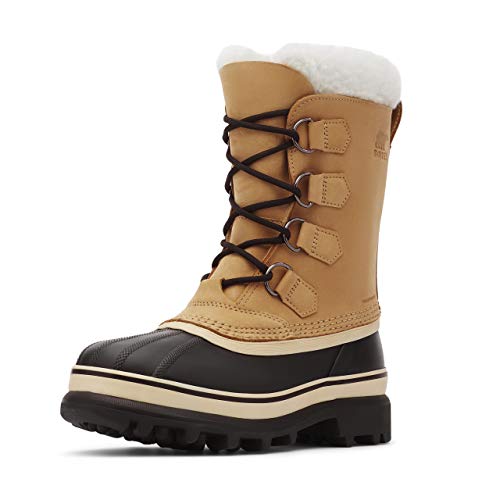
- Kids – Sorel Caribou Youth boots

Comfy warm snow shoes for before & after skiing are also a must for your essential ski gear list. For men, women and kids, I adore the Sorel Caribou, which comes in 4 colors and is so warm and snug to wear!
Clothing
Base layer
My top picks:
- Men – Meriwool base layer
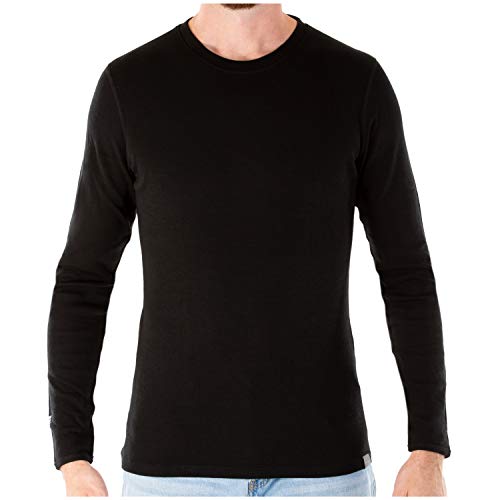
- Women – Meriwool base layer

- Kids – Meriwool base layer

Any list of skiing essentials gear will include base layers. Merino wool is the best of the best, which is why I recommend top-rated Meriwool base layers for men, women, and kids.
I prefer one base layer for each day of skiing. You'll likely sweat under those layers & will want a freach base layer each day.
Mid layer
My top picks:


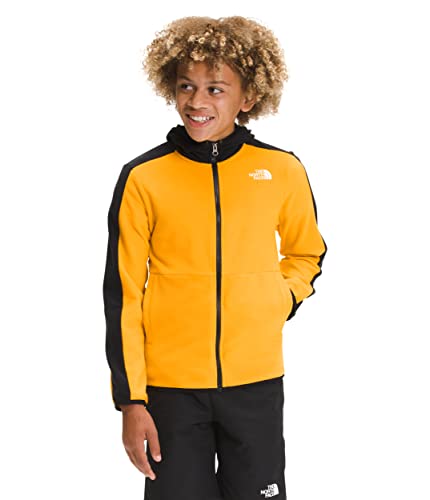
Mid layers are skiing must-haves when it gets very cold. A warm sweater or fleece will do nicely. Lighter, thinner fabrics are more comfortable to wear when you’re layering up.
Columbia and North Face are top brands that make some of the best ones. A full zip option is good for kids, as they tend to overheat more easily.
If skiing during spring break (in more southern states like Colorado or New Mexico), you may be able to skip this layer (or the base layer) since temperatures can be warmer.
Ski pants or bib
My top picks:

Women – Columbia Bugaboo ski pants

- Kids – Columbia Bugaboo ski pants

Ski pants or a ski bib? A bib is a kind of alpine skiing suit – it’s like insulated overalls for cold conditions. Pants can feel a bit less bulky (and you don't have to take off everything if you have to use the restroom).
I recommend the Columbia Bugaboo range as they’re lightweight, ultra-warm, and made to last. Pack two pairs of these each (though, you could get away with one pair).
Ski jacket
My top picks:


Good ski jackets will keep you warm, dry, and comfortable, and not having a decent one can be the quickest way to ruin your day. Or even the entire vacation! When deciding what to pack for skiing, a warm, waterproof jacket would be my number one item.
Getting a great jacket that can cope with very wet and windy conditions is absolutely vital. Whatever the weather conditions are when you set out, they can change in a flash at altitude. And imagine how windy it can get up there.
The Helly Hansen Alpha 3.0 for men is my top pick men’s ski jacket, while for women I rate their Motionista LIFALoft jacket. Kids will like picking their favorite color, while parents will appreciate the insulation and breathability of the Rider 2 jacket for children.
👍ARE YOU TRAVEL OBSESSED? Join ‘Our Travel Obsession' Facebook group!
Accessories
Neck gaiter
My top picks:
- Men & Women – Columbia Omni-Heat thermal neck gaiter
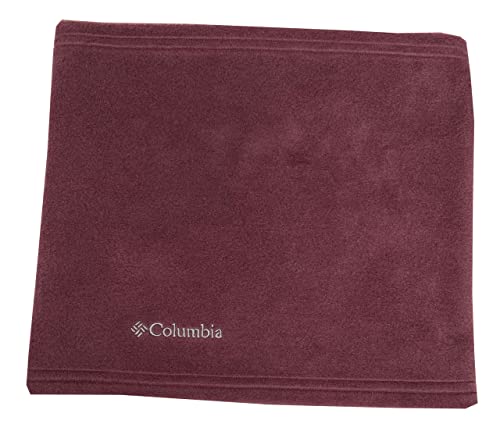
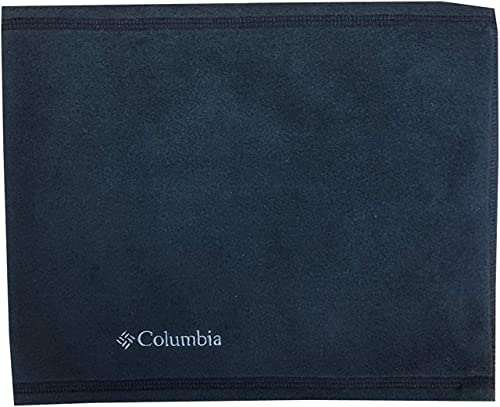
Neck gaiters are recommended for skiing rather than scarves. A scarf’s loose ends could wrap around things, causing a safety hazard. The unisex Columbia one for grown-ups comes in various colors and has heat-conserving insulation.
I never ski without one! Not only will it keep the cold from blowing down your jacket front while skiing, you can pull it up over your chin, mouth, and/or nose to keep your face warm.
Ear warmers
My top picks:
- Men & Women (and bigger kids) – Lauzq Winter Fleece Ear Warmers


Don’t forget about your ears! Exposed ears can get VERY cold when it’s chilly, and you wouldn’t want to let them freeze.
I love the Lauzq Winter Fleece Warmers. I like that they are cut to fit perfectly over your ears & forehead, come in many colors, & are warm but not too bulky so they can easily be worn under ski helmets.
Glove liners
My top picks:
- Men & Women – Icebreaker Merino 200 Oasis
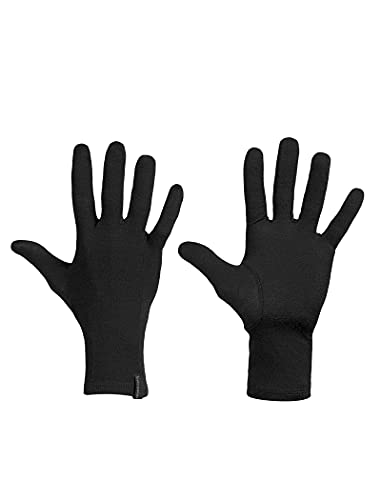
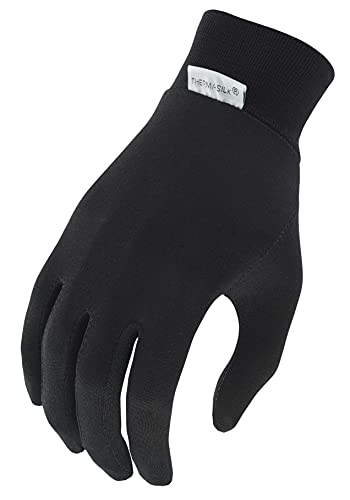
As with sock liners, glove liners give your hands an extra layer of protection. These thin glove liners are ideal to wear under thicker gloves.
Ski gloves
My top picks:


Next on the list of things to bring skiing are waterproof gloves. As you’ll be touching snow all day long, waterproofing is a must. They should also be flexible enough to let you hold your poles or pick things up.
The Spyder Overweb Gore-Tex glove is perfect for adult male skiers, while the Synthesis is the perfect fit for women. Kids will love the Dakine Rover Gore-Tex snow gloves that look ultra cool, and feel super warm too.
Face covering
My top picks:
- Men & Women – Adidas Alphaskin Balaclava

- Kids – Venswell Kids’ Ski Balaclava
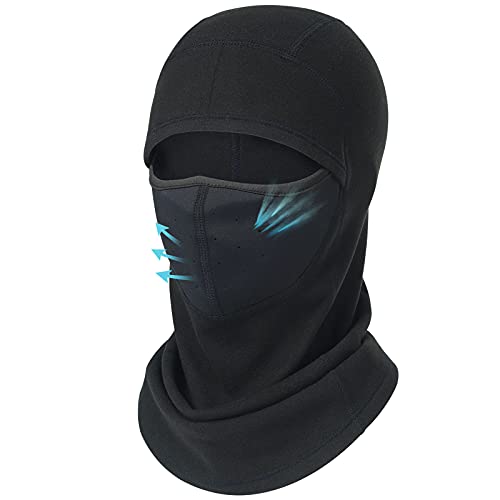
For extreme cold, you can't beat a thermal face covering. Adidas makes some good ones, including the unisex Alphaskin Balaclava. The kids’ one by Venswell comes in 7 colors, so they can pick one they like (and are therefore more likely to actually wear).
These would take the place of the neck gaiter & ear warmers. Just keep in mind that they are harder to get on & off, so having both options might be best.
Equipment
Goggles (recommended) or Sunglasses
My top picks:
- Men & Women – Oakley O-frame ski goggles

- Kids – Outdoor Master ski goggles

The list of alpine skiing equipment you’ll need begins with ski goggles or close-fitting sunglasses. Goggles are the best choice since they have a better fit, typically won't fog up as badly, and secure to your helmet.
If you choose sunglasses, make sure they’re the type that fit up against your face, without any open gaps all around.
Try your helmet and goggles on together before you head off, just to make sure the fit is compatible and comfortable. Oakley is a great brand, and their O-frame is top-rated.
For kids, make sure the goggles are good quality, but you’ll probably want to spend less since they will out-grow them.
Ski helmet
My top picks:
- Men & Women – Wildhorn Drift ski helmet

- Kids – Giro Crue ski helmet

You’ll need a decent ski helmet, complete with vents that can open & close. Make sure your helmet fits well and works properly. Safety is paramount, and having a good helmet for protection will help you feel more confident when learning to ski and thereafter.
The best alpine skiing helmets are made by Wildhorn. They supply the US ski team and are designed in Utah. The Drift comes in small, medium, or large and 11 colors, and has those all-important vents to keep you cool and dry on the slopes.
For children, the Giro Crue is an excellent choice. It comes in three kids’ sizes and 11 fun colors.
Helmets can often be rented (especially for kids), but I've always perfered we have our own.
Ski poles (buy or rent)
My top pick:
- Men, Women, & Kids – Zipline Lollipop ski poles

You’ll require a pair of alpine skiing poles, and these can be rented or taken with you. Available in 10 colors, the ultra-lightweight and sleek Zipline Lollipop is outstanding. The brand also supplies the US ski team.
Various sizes are offered to suit various heights. Click HERE for a guide & chart for choosing the right size.
FYI – If you have young children learning to ski & plan for them to atten ski school, they will likely be taught without poles. My son did not ski with poles until he was 12 years old.
Skis (buy or rent)
My top picks:
- Men & Women – Nordica Enforcer 104 Free skis

- Kids – Lucky Bums First Tracks

Skis can be rented at your resort or in the ski town, but you might like to purchase your own (though, if this is your first time skiing, I recommend renting).
The ski store staff should help fit you with a pair of skis that are suitable for your level. The set-up of the bindings should also be according to your ability and size.
If you choose to buy, it’s impossible to beat the Nordica Enforcer 104 Free. They’re tough, lightweight, stylish, and stable. If you want to buy some for the kids, the Lucky Bums First Tracks are a great bet.
Ski boots (buy or rent)
My top picks:

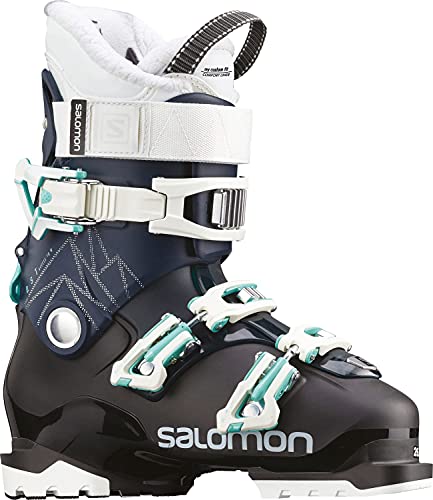
- Kids – Salomon Team T3 ski boots

As with the skis themselves, you can buy your own ski boots or rent them. I recommend the former if possible, as you can make sure they fit properly.
Rental boots will have spent time on a lot of feet and will be well worn. New boots will have excellent padding for comfort & warmth, but padding in rental boots is almost non-existant.
The Salomon X-Access 70 Wide ski boots are ideal for men who like roomy, more flexible boots. For women, the best equivalent is the X Access 60 Wide. When you want to buy boots for children, the Salomon Team T3 comes in a range of sizes and is also highly rated.
Ski Carriers
My top pick:
- Men, Women & Kids – StoreYourBoard ski & boot carrier straps

While a ski carrier for adults & kids isn’t strictly a must, it is helpful to have (especially for kids). StoreYourBoard offers a nice solution.
PRO TIP: There are boot carrier straps for purchase as well, but you don't need these. Ski boots all have a velcro strip across the top. Just velco one boot strap to the other & voila! You've got yourself a strap and can easily carry your boots over your shoulder.
Boot Carriers
My Top Pick:
- Men, Women, & Kids: Unigear Ski Boot Bag

If you plan to fly with your ski boots, a boot carrier is a great option. You could pack your boots in your luggage, but they take up a lot of space, are heavy, & possibly dirty. This 50L bag will hold your boots, helmet, goggles, and other small items.
Other essentials (in your pockets):
ID & credit card/cash
Whether it’s your first time or you’re a seasoned skier, don’t forget to take your ID and some form of payment along with you!
Cell phone
Other key things to bring on a ski trip include your cell phone. Make sure it’s fully charged each day, just in case you do need to call for help.
Lip balm
My top pick:
- Men, Women & Kids – Panama Jack flavored SPF 45 lip balm 4-pack
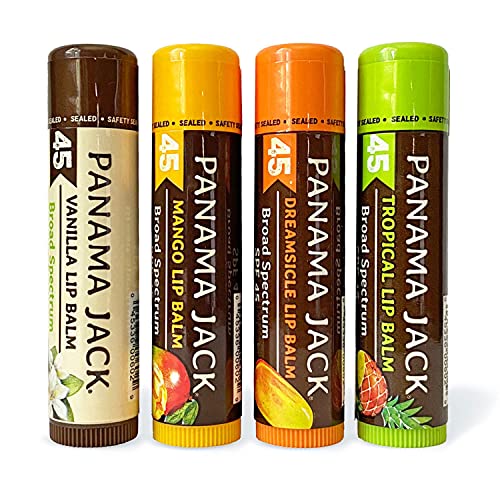
No ski essentials list would be complete without this – and it is often overlooked. Dry, chapped lips don’t look or feel good, and the discomfort really could spoil a day on the slopes.
Buy a Panama Jack 4-pack with SPF45 and there’s one each for up to four of you. Not into falvored lip balm? No worries. They have this unflavored option.
Sunscreen
My top pick:
- Men, Women, & Kids – Neutrogena Sport Face SPF70+ sunscreen

Sunscreen is also an often overlooked item to pack when skiing. But make no mistake, you can get a serious sunburn on exposed skin while skiing.
This Neutrogena sunscreen specially designed for the face – and for sports – is ideal for skiers. It blocks UVA and UVB rays is oil-free and won’t come off even when you sweat or wipe your face.
Hand warmers
My top pick:
- Men, Women & Kids – HotHands hand warmers 10-pack

If you tend to get cold hands, pack some hand warmers for instant relief. The HotHands 10-pack is perfect for travel and is also highly rated.
Earbuds or headphones
My top pick:
- Men & Women – Apple AirPods
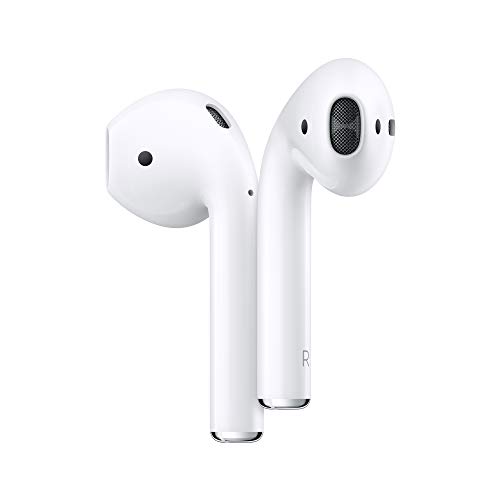
For portability, sleek looks and superior sound, you cannot find better than Apple AirPods. The second gen model offers great value for money right now. Ideal for adult skiers who like to play music as they whizz down the slopes.
Don’t let the kids take theirs onto the snow – they’ll never hear a safety instruction while they’re plugged in!
Water & Snacks
My top pick:
- Men, Women & Kids – Hydrapak Stow packable water bottle

Though it will be cold, your list of ski necessities must include water. It’s so important to stay hydrated when exercising, and getting enough water will help you to stay focused.
Take a Hydrapak Stow collapsible water bottle. It's perfect for skiing, hiking, or traveling.
You can even take it to the airport & fill it after you get through security for water on-the-go. It’s far more eco-friendly than throwaway plastic.
Skiing can work up a serious appitite as well, so don’t skimp on packing snacks either! HERE are some of our favorite snacks for skiing & hiking.
Kleenex
My top pick:
- Men, Women & Kids – Kleenex pocket pack 16-pack

If you get a runny nose when it’s cold (and you probably will), you’ll definitely need these! A 16-pack ensures there’s plenty for everyone in attractive, brightly colored packs of ten.

Skiing With Kids
Edgie Wedgie
My top pick:
- Men, Women & Kids – Edgie Wedgie

I couldn’t write a ski essentials review without mentioning the awesome Edgie Wedgie! They’re inexpensive to buy, yet great for children and beginners. It’s actually great for adult beginners too, as it comes in a universal size.
The Edgie Wedgie connects the tips of the skis to retain them in a snow plow position (a key move for slowing doesn for beginners). Simple, yet extremely effective. And very affordable too. You can also pick between 6 attractive colors.
They can break if pulled too far, so grab a few!
Harness
My top pick:
- Kids – Sklon ski harness trainer

Whether you're skiing or exploring elsewhere in the world, a harness can help keep young kids safe & close by. The Sklon one is practical, lightweight, and has a built-in backpack. You can buy it in pink or blue.
Ski Trip Essentials FAQs
What to wear when skiing for the first time?
For skiing in winter conditions, you’ll need a good ski jacket and pants, plus thermal layers of clothing to wear beneath. Don’t forget snow boots for walking in the snow when you’re done with the slopes.
Other essentials when skiing includes sock and glove liners, base layers, warm headwear, and fleeces. These can also help to make sure you stay warm.
I've put together an Amazon list of all of my top picks above. Check that out HERE.
Should I rent snow gear or buy it?
If you want the best fit and a good choice, it’s worth buying your own ski gear. The same is true if you plan to ski every season or more often. For short trips or those who are unsure, you can rent most equipment at the resort or stores in town.
Items like ski boots will always fit best if you take your own, however. Whether to buy or rent your equipment really depends on your plans, budget, and preferences.
Is skiing safe?
Skiing is actually a far safer sport than you might think. So is skiing worth it? Yes! Each year there are under 0.7 deaths per million snowboarders and skiers. It’s a surprisingly low figure, right?
As long as you are well equipped, properly trained, and heed any safety warnings, it’s a very safe and fun winter sport to take part in.
What about baby skiing clothes?
Lots of layers and a good snowsuit are ideal for babies who’ll be spending time on the slopes. Keep a close eye on little ones, who can get cold very quickly, and limit the time they spend outdoors.
For older kids learning to ski, they need the same items as adults but in larger sizes. So you’ll need to buy or rent a jacket, pants, snow boots, skis, and other equipment and accessories to fit children.
What’s the history behind skiing?
Alpine skiing history dates back to Europe. So was skiing invented in Norway, Switzerland, or another country? It’s said that downhill skiing developed in the Alps during the late 19th and early 20th centuries.
These mountains cover various European countries: these are Switzerland, Austria, Italy, France, Monaco, Germany, and Liechtenstein. So no, not in Norway! Downhill skiing was first officially recognized in 1930.
You can read more HERE.
What were skis originally made of?
The world’s first skis were made from wood with a horsehair covering. Many early Alpine skis were made from ash wood. Norway was where the first hickory skis were made. Fiberglass, rather than wood, is now the most frequently used material when making skis.
What are some basic skiing tips?
Before you learn those basic skiing techniques from a qualified, experienced instructor, there are some key tips to keep in mind. Do your homework when picking a resort for beginners, and try not to do too much at once so you're not overwhelmed.
Get as fit as you can beforehand (squats & lunges will help get your legs in skiing condition), and pack with care. Dressing in layers is the ideal approach to keeping warm.
Never ski alone unless you’re very experienced, and do take lessons from a professional. Skiing can be tricky to master, so another top tip is never to give up!
Don’t take any risks though. Safety first is the most important tip of all when going skiing.
Where can I find a ski essentials coupon code?
I recommend you get the ‘Honey' chrome extension on your computer. ‘Honey' will let you know if there is a discount code for any website you visit! Check it out HERE.

Which ski essentials will you be packing?
I hope you’ve found these ski travel tips helpful when you shop for essentials before your trip. From ski clothing essentials to buy before you travel to alpine skiing gear you can rent at the resort, these are the items I’ve always found indispensable for winter sports vacations.
Have a happy skiing trip, and always make sure you put safety first and foremost!
PRO TIP – If you know someone who’s going skiing this winter, why not buy them a gift card as a Thanksgiving, birthday, or Christmas gift so they can pick what they want for their trip?
You might also enjoy…
- Large Family Vacations: A New Holiday Tradition
- The Best Hiking Backpacks For Women
- Airplane Etiquette: Rules To Fly By
Until next time…

About The Author
My mission is to inspire and empower families to prioritize travel now, creating unforgettable memories and deeper connections with their loved ones.
I provide guidance and practical solutions to help busy parents integrate travel into their lives, fostering joy, fulfillment, and stress-free adventures. Don’t wait until it’s too late; the time to travel is now.
Learn more about me & My Travel Obsession here.
My Favorite Travel Booking Apps & Websites
⭐MY TRAVEL OBSESSION:
- Products & Services – My Travel Obsession's travel planning products, services, and freebies!
- What To Pack – See all of my personal favorite travel items.
- Travel Resources – Resources that I use most when planning, booking & traveling.
🏡FOR FINDING GREAT PLACES TO STAY:
- VRBO – My #1 recommendation for family-friendly lodging options.
- Expedia – My favorite for hotel bookings.
🚗FOR CAR & RV RENTALS:
- Discover Cars & Sixt – My favorite sites for rental cars worldwide.
- Turo.com – Rent a car from an individual owner – It's like VRBO for cars!
- RVShare – Rent an RV for your next family road trip!
🚁FOR ACTIVITIES, EXCURSIONS, & TOURS:
- Viator & Get Your Guide – The best sites to find and book activities & excursions.
- Gypsy Guide – An AWESOME audio tour app. ALWAYS check to see if they have a tour available.
🩺FOR TRAVEL INSURANCE:
- SafetyWing – The lowest-cost travel insurance out there. Several options starting as low as $42 for 4 weeks of coverage.
✈FOR FINDING GREAT FLIGHT DEALS:
- Going (formerly Scott's Cheap Flights) – My #1 recommendation for saving big $$$ on flights. Sign up for a free 14-day trial.
🥾FOR HIKING:
- AllTrails – THE APP for hikers. I recommend paying for the pro version so you can use the navigation feature while hiking.
Once you're done here, head to the homepage to explore or jump to one of these categories: Texas Travel ~ US Travel ~ International Travel ~ Travel Tips & Tricks ~ Travel Gear & Gadgets ~ What To Pack ~ Travel Planning ~ Shop